



SAFE AND HEALTHY BOUNDARIES AND RELATIONSHIPS
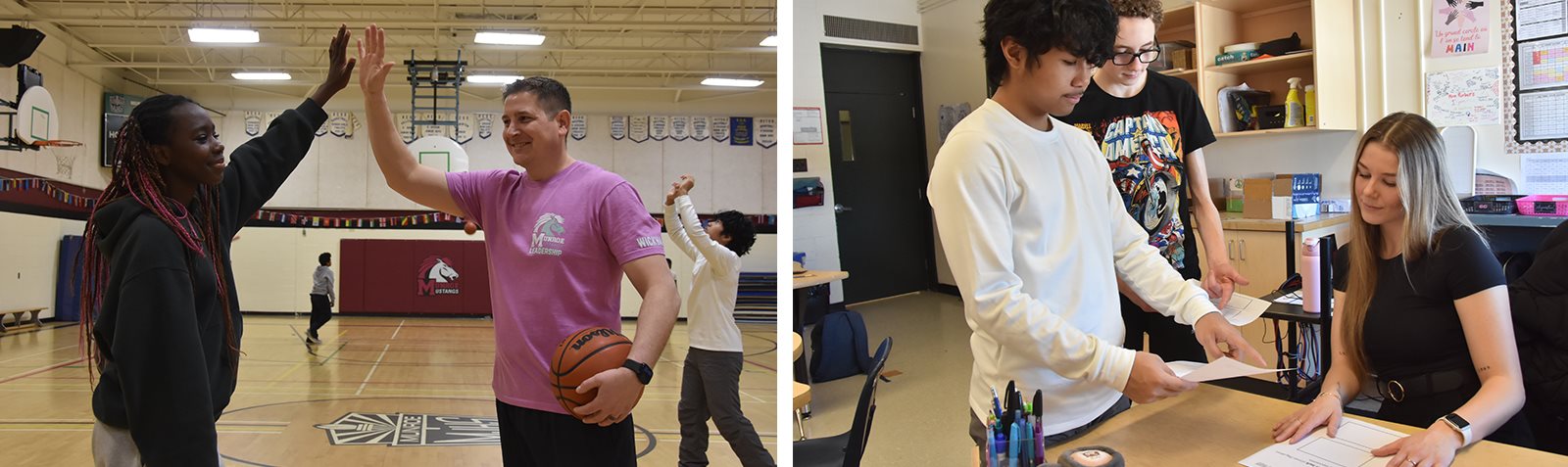
RETSD is committed to creating safe and caring school communities, so it's important for students to understand what safe and healthy boundaries and relationships look like.
RETSD uses the provincial health curriculum and the Kids in the Know program from the Canadian Centre for Child Protection Inc. to teach age-appropriate lessons that help children build personal safety skills. Through engaging, interactive lessons, students strengthen their own resilience while learning skills that reduce the risk of becoming victims.
Key Themes from the Provincial Health Curriculum
Early Years (Kindergarten–Grade 4)
Students learn about:
- Personal safety and privacy.
Identifying trusted adults.
Understanding feelings and emotions.
Respecting their own bodies and the bodies of others.
Basic communication and relationship skills.
Middle Years (Grades 5–8)
Students learn about:
Changes during puberty.
Decision-making skills.
Respect for differences.
Personal rights and responsibilities.
Developing positive friendships.
Understanding and communicating personal boundaries.
Senior Years (Grades 9–12)
The curriculum becomes more explicit about relationships. Topics include:
Characteristics of healthy relationships.
Respect, trust, honesty, communication, and equality.
Rights and responsibilities within relationships.
Consent and personal boundaries.
Recognizing unhealthy and abusive relationships.
Community supports and services for relationship concerns.
Decision-making related to sexuality and relationships.
More information:
Key Themes from Kids in the Know
Students learn about:
Healthy relationships—understanding cooperation versus control.
Online safety—focusing on content, contact, and conduct.
Personal boundaries, bodily autonomy and agency.
Refusal skills—practicing assertiveness, and using bystander strategies.
How to get help—identifying safe adults and support pathways.
Resiliency skills—assertiveness, self-awareness, social-emotional competence, problem-solving, critical thinking, and making low-risk choices.
Recognizing and reporting concerning experiences and behaviours to safe adults.
Understanding that those who have experienced abuse are never to blame.
Strengthening communication between parents and children about personal safety.
For more information about Kids in the Know: https://kidsintheknow.ca/en/.
